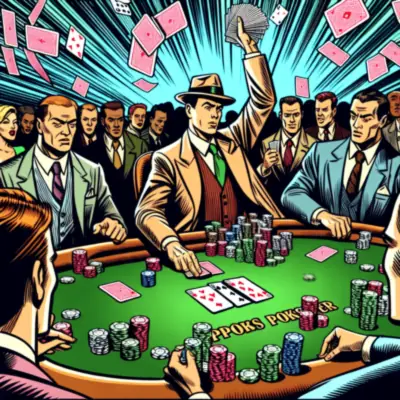
Three Card Poker: Strategy, Odds and Side Bet Tips

Three Card Poker is one of the quickest decisions in the casino: you look at three cards and either back them or fold. That simplicity is the appeal, and it also means a single rule covers almost all of the strategy. This guide sets out the hand rankings, the correct play or fold threshold, how the bonus bets pay, and how to keep a session under control.
How the Game Works
You place an ante, receive three cards face down and see none of the dealer's. Your only decision is whether to place a play bet equal to the ante or to fold and surrender the ante. The dealer then reveals their hand.
- The dealer qualifies with queen high or better. If they do not qualify, the ante pays even money and the play bet pushes.
- If the dealer qualifies and you win, both the ante and the play bet pay even money.
- If the dealer qualifies and wins, both bets are lost.
Hand rankings differ from five-card poker because of how the shorter hand changes the probabilities. A straight beats a flush in three-card play, since three suited cards are easier to make than three in sequence. A straight flush is the top hand, followed by three of a kind, then straight, flush, pair and high card. Getting this order wrong is the most common beginner error, and it leads directly to folding hands that should be played.
The Play or Fold Rule
Optimal strategy is a single threshold: play any hand of queen, six, four or better, and fold everything below it. That one rule captures essentially all of the available edge and takes a minute to learn.
- Check your highest card. Anything ace high or king high is an automatic play.
- With a queen high hand, look at the second card. A queen with a seven or better is a play.
- With queen six, check the third card. Queen-six-four or higher plays; queen-six-three or lower folds.
- Below queen high, fold. The ante is lost, but backing those hands loses more over time.
Deviating from the threshold on instinct is where most of the money leaks. Playing every hand hands the house a much larger edge, while folding too tightly forfeits antes on hands that would have been profitable. The detailed Three Card Poker strategy guide works through the reasoning behind the threshold.
Ante Bonus and Pair Plus
Two payout structures sit alongside the main game, and they behave very differently.
The ante bonus is not an extra bet. It pays automatically on your ante when you hold a strong hand, typically a straight, three of a kind or a straight flush, and it pays regardless of whether the dealer beats you. Because it costs nothing extra, it is pure value and one of the reasons the base game holds a relatively modest house edge.
Pair Plus is a separate wager on your own hand alone, paying on a pair or better with escalating returns up to a straight flush. The dealer's cards are irrelevant to it. It is the more exciting bet and it carries a noticeably higher house edge than the ante and play combination, with the exact figure depending on the paytable at that particular table. Treat it as an entertainment expense rather than as a route to profit, and check the posted paytable before assuming one table pays like another.
Bankroll and Table Selection
The game moves quickly, which is the main risk to a bankroll. A hand takes seconds, so the number of decisions per hour is high and a stake that looks small can turn over a large amount of money in a short session.
- Size the ante to the session. Plan for enough hands that a normal losing run does not end the night early.
- Compare paytables. Pair Plus and ante bonus schedules vary between tables, and the difference is real money over time.
- Avoid progressive staking. Each hand is dealt from a fresh shuffle, so raising bets after losses increases exposure without changing the odds.
- Set a stop figure for both losses and winnings before you sit down.
For a comparison of how online tables present these options, the walkthrough of Three Card Poker online is a useful reference.
Bonuses and Realistic Expectations
Casino promotions attached to table games usually arrive as deposit matches, cashback on net losses or loyalty credit. The terms decide whether they are worth taking. Check the wagering multiplier, the game weighting, since table games frequently contribute far less than slots toward turnover, and the expiry date. A modest offer with light terms beats a headline figure that cannot realistically be cleared.
Keep expectations grounded. Three Card Poker rewards consistent correct decisions and small, steady results rather than dramatic swings, and no promotion or staking pattern overturns the house edge. The overview of why the game has stayed popular covers its appeal in more detail. Play for entertainment, stake only what you can comfortably lose, and step away when the session stops being enjoyable.
Frequently asked questions
What hands should I play in Three Card Poker?
Play queen, six, four or better and fold everything weaker. That single threshold captures almost all the available edge and is far more reliable than judging hands by feel.
Why does a straight beat a flush here?
Because with only three cards, making three of the same suit is more likely than making three in sequence. The rankings follow the probabilities of the shorter hand.
Is Pair Plus worth betting?
It pays well on strong hands but carries a higher house edge than the ante and play bets. Treat it as an occasional entertainment cost rather than a core part of your strategy.
What happens if the dealer does not qualify?
If the dealer holds less than queen high, your ante pays even money and your play bet is returned as a push. You keep the hand's value without needing to beat them.
Ready to play? Every game covered here is live at game.ubet.fun — or browse more Three 3Card Poker guides first.
Play now at game.ubet.fun